
 admin
adminAustralian winemaking is a blend of history, precision, and a connection to the land. Each bottle tells the story of its vineyard, shaped by soil, weather, and generations of care. Discover rare handpicked wines from the valley invites wine enthusiasts to appreciate craftsmanship beyond commercial production.
These wines express the individuality of their terroir, revealing distinct flavours and textures that reflect where and how they were made. Among Australia’s celebrated regions, the vines of the Yarra Valley stand as a symbol of balance between traditional viticulture and contemporary technique, producing vintages that remain unmatched in character and depth.
The Craft of Handpicked Winemaking
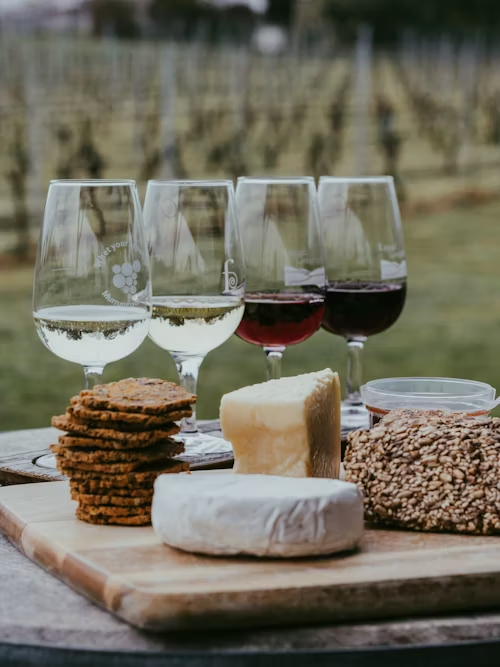
Handpicked wines stand apart because of the care given to each stage of production. The process is slow, deliberate, and designed to capture the grape’s true essence.
A Gentle Approach to Harvesting
Handpicking ensures precision. Grapes are selected at the right ripeness and handled with minimal stress, protecting their delicate skins. Machine harvesting may work for large-scale operations, but in premium vineyards, the tactile understanding of skilled pickers defines the difference between good and exceptional.
Each cluster is inspected before it reaches the winery, ensuring that only the best fruit contributes to the final blend.
Timing and Technique
Harvest timing varies depending on the grape variety and desired style. Winemakers monitor sugar levels, acidity, and weather patterns to determine the perfect moment. Once picked, grapes are transported swiftly to prevent oxidation. This level of attention maintains the freshness and structure essential for premium wines.
The Human Connection
Handpicking reinforces the bond between grower and land. Workers understand the vineyard intimately, noticing subtle changes in the vines throughout the season. Their experience helps them recognise when the grapes express peak potential. The result is a wine that feels personal and precise, embodying both nature’s unpredictability and human intuition.
Terroir: The Foundation of Rare Wines
The soul of every wine lies in its terroir—the natural conditions that shape its identity.
The Landscape and Climate
The Yarra Valley, located in Victoria, is known for its cool climate and diverse topography. These conditions encourage slow ripening, allowing grapes to develop complex flavour profiles. Rolling hills, varied soil types, and the balance between sunlight and rainfall create ideal growing environments for varieties such as Pinot Noir, Chardonnay, and Cabernet Sauvignon.
Soil Composition and Vineyard Management
Soil plays a vital role in flavour formation. Gravel, clay, and loam mixtures influence water retention and mineral content. Sustainable vineyard practices maintain soil health, ensuring long-term vitality. Minimal chemical interference allows the vineyard’s natural ecosystem to thrive, contributing to more authentic and nuanced wines.
Small-Batch Production
Rare handpicked wines are often made in small quantities. Winemakers focus on quality over volume, producing limited releases that highlight the best parcels of fruit. This exclusivity adds to their value, as each bottle represents a unique vintage that can never be exactly replicated.
The Winemaking Process
Transforming handpicked grapes into premium wine requires both science and artistry.
Fermentation Control
Fermentation begins when natural or cultured yeasts convert sugars into alcohol. Winemakers carefully manage temperature and duration to maintain aroma integrity. Lower temperatures preserve freshness in whites, while controlled warmth enhances body and depth in reds. Gentle handling during fermentation retains the fruit’s natural expression.
Oak Maturation
Barrel ageing adds texture and complexity. French and American oak barrels contribute subtle flavour notes such as vanilla, spice, or toast. The type of oak, its age, and the duration of ageing influence the wine’s personality. Winemakers adjust these variables to achieve balance, ensuring wood enhances rather than dominates.
Blending for Harmony
Blending different batches or grape varieties allows the winemaker to craft harmony. Each component contributes distinct characteristics—aroma, acidity, or structure. Through careful tasting and proportioning, the final blend achieves balance and identity unique to the vineyard’s conditions.
The Experience of Rare Wines
Beyond production, rare handpicked wines offer a sensory journey defined by authenticity and detail.
Aromas and Flavours
These wines often reveal layers that evolve in the glass. A Pinot Noir from the valley may express red cherry, subtle spice, and earthy undertones, while Chardonnay might present citrus, almond, and mineral notes. Each sip changes slightly as the wine breathes, reflecting its age and the precision of its crafting.
Texture and Finish
Texture distinguishes fine wine. Handpicked grapes produce smoother tannins and greater balance between acidity and fruit weight. The finish lingers, leaving an impression that encourages reflection rather than haste. Premium wines are meant to be savoured slowly, their complexity unfolding over time.
Pairing with Food
Rare wines complement food through structure and flavour synergy. The Yarra Valley’s cool-climate reds pair beautifully with roasted meats or game, while crisp whites enhance seafood and light pasta dishes. Food pairing transforms both elements, highlighting subtleties often missed when consumed separately.
Sustainability and Ethical Winemaking
Modern winemakers increasingly prioritise environmental and ethical responsibility.
Organic and Biodynamic Practices
Many vineyards producing rare wines follow organic or biodynamic principles. This approach reduces chemical use, supports biodiversity, and respects natural cycles. Soil health directly affects grape quality, and sustainable farming ensures that future generations can continue producing premium wines.
Water and Energy Management
Efficient irrigation and renewable energy sources reduce environmental impact. Drip systems deliver water precisely where needed, while solar power assists in running production facilities. These practices align with consumer expectations for sustainable luxury products.
Fair Labour and Community
Handpicked production values the human contribution. Fair wages, safe working conditions, and community involvement strengthen the integrity of the industry. By investing in local labour, vineyards maintain generational expertise and preserve regional culture.
Collecting and Storing Rare Wines
Owning rare wines offers both enjoyment and investment potential.
Proper Storage Conditions
Temperature stability is essential. Wines should be kept around 12 to 14 degrees Celsius, with consistent humidity to prevent cork drying. Light and vibration can damage wine quality, making cellars or climate-controlled cabinets ideal for preservation.
Ageing Potential
Handpicked wines, particularly those aged in oak, often improve with time. Ageing allows flavours to integrate and develop secondary characteristics like honey, tobacco, or truffle. Understanding when to open each bottle maximises enjoyment while maintaining value.
Rarity and Investment Value
Limited-production wines gain appreciation due to scarcity and craftsmanship. Collectors seek vintages that reflect exceptional growing seasons or innovative winemaking approaches. Proper documentation, including provenance and storage records, enhances long-term worth.
The Yarra Valley Connection
The Yarra Valley remains one of Australia’s most respected regions for premium winemaking.
Heritage and Innovation
Established vineyards share space with new generations experimenting with organic and minimalist techniques. The region’s balance of experience and innovation allows constant evolution while maintaining its identity. The vines of the Yarra Valley exemplify this synergy, producing wines that capture both tradition and modern expression.
Climate Influence
Cool air descending from the nearby Dandenong Ranges moderates the valley’s temperature. This balance ensures slow ripening, promoting finesse and aromatic depth. Seasonal variability adds excitement, as each year’s conditions imprint distinct traits on the harvest.
Regional Diversity
From the valley floor to elevated slopes, microclimates offer a wide range of grape styles. Pinot Noir thrives in cooler zones, while Shiraz and Cabernet find strength in warmer pockets. This variation gives winemakers creative freedom to craft wines that reflect both vineyard site and personal philosophy.
The Culture of Appreciation
Rare wines foster a culture of appreciation that extends beyond taste.
Connection to Place
Every bottle links drinkers to the land and people who shaped it. Whether shared among friends or enjoyed privately, the act of drinking becomes a celebration of craft and connection. This awareness transforms consumption into experience.
Education and Tasting Events
Wineries and cellar doors often host tastings where visitors learn about varietals, ageing, and blending. These experiences enhance understanding and deepen respect for the effort behind each glass. Knowledge encourages mindful enjoyment and support for artisanal producers.
The Role of Storytelling
Each rare wine carries a narrative—about the vineyard’s heritage, the challenges of the season, or the philosophy of its maker. Storytelling builds emotional engagement, reminding consumers that wine is more than a product; it is the result of patience and vision.
Frequently Asked Questions
What defines a handpicked wine?
A handpicked wine comes from grapes harvested manually rather than by machine. This method ensures only the best fruit is selected and handled gently to preserve quality.
Are wines from the Yarra Valley suitable for ageing?
Yes. Many Yarra Valley wines, particularly Pinot Noir and Chardonnay, have excellent ageing potential. Their balanced acidity and structure allow flavours to mature beautifully over time.
How should rare wines be stored?
Rare wines should be stored horizontally in a cool, dark, and stable environment. Consistent temperature and humidity prevent spoilage and preserve complexity for years to come.
Conclusion
Discover rare handpicked wines from the valley celebrates authenticity, craftsmanship, and respect for nature. From careful harvesting to measured ageing, every step reflects dedication to quality rather than quantity. These wines embody the essence of their environment and the people who tend the vines.
Whether drawn from the historic vines of the Yarra Valley or another distinguished region, handpicked wines offer an experience that connects artistry, landscape, and taste. Through mindful production and sustainable practices, they continue to define the standard for excellence in Australian winemaking, turning each glass into a tribute to tradition and innovation alike.
