
 admin
adminEvery child learns differently — but for babies, toddlers and preschoolers, learning through play is among the most effective and natural methods. Many early learning services, including Little Angels Childcare, centre their daily programs around playful, child‑led activities that support growth in many areas.
When parents and educators understand why play‑based learning makes the best start for young children, they can support healthy development from day one.
In this article we look at what play‑based learning means, how it supports physical, social and cognitive growth, why it remains effective as children grow, and what to look for when choosing or supporting a play‑based environment for your child.
What Is Play‑Based Learning
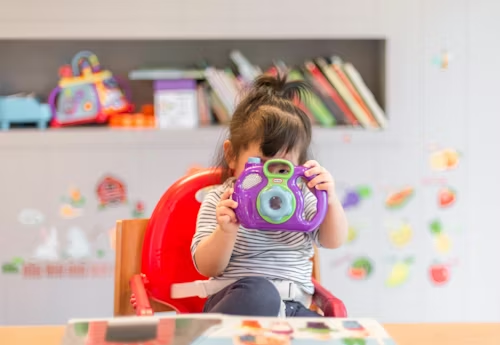
The Concept and Philosophy Behind Play
Play‑based learning is an educational approach where children learn through active exploration, experimentation, social interaction and imaginative games — rather than through formal instruction.
Under this approach children decide what to play, how to play, and often direct the flow of their own learning. Adults — teachers or caregivers — guide or scaffold the environment, creating safe, enriched settings that respond to children’s curiosity.
This approach recognises that play is a child’s natural mode of discovery. Through blocks, sand, water, art supplies, dress-up clothes, storytelling and outdoor exploration, children practise decision‑making, test ideas, and explore relationships — all of which build a foundation for future learning.
Guided Play vs Free Play
Play‑based learning often balances periods of unstructured free play with guided experiences framed by educators. Free play allows children to choose their own activities and experiment at their own pace. Guided play includes subtle adult support — for example, setting up an environment or asking open‑ended questions — without overtly directing the child’s actions.
This mix respects each child’s unique pace and interests while ensuring they are exposed to a variety of learning opportunities: social, physical, creative and cognitive.
Why Play‑Based Learning Supports Healthy Development
Physical Growth and Motor Skills
Through active play — climbing, running, building, painting, digging or balancing — children develop gross and fine motor skills. Manipulating different materials strengthens coordination, hand‑eye coordination and bodily awareness.
Outdoor play and gross‑motor activities also support health, stamina, and a positive relationship between movement and well‑being. Children learn through their bodies as well as through play itself.
Cognitive Development and Problem Solving
Play‑based learning nurtures cognitive skills like problem solving, memory, creativity and early numeracy and literacy concepts. When children build towers with blocks, they learn about balance and cause and effect; when they pretend to cook or run a shop, they practise role‑play, counting, sharing and language skills.
Children immersed in rich play‑based environments often develop a stronger ability to think flexibly, ask questions, and approach new tasks with curiosity. That sense of agency and experimentation builds a foundation for lifelong learning.
Social and Emotional Growth
Through play with peers and adults, children learn cooperation, empathy, negotiation, sharing, and conflict resolution. Pretend play often involves taking turns, using language to express feelings, and understanding different perspectives. This supports social competence and emotional resilience.
Additionally, play gives children a safe space to express feelings, practise independence, and build self‑confidence — important skills for early childhood and beyond.
Readiness for School and Structured Learning
Contrary to traditional views that structured learning must precede play, play‑based learning actually builds many of the skills required for later academic success. Language, social skills, problem‑solving, focus, self-regulation and cooperation are all fostered in playful settings.
Children accustomed to learning through play often adapt better to formal schooling, because they already understand how to explore, ask questions, collaborate and engage with tasks — skills more complex than rote memorisation.
What Makes a Quality Play‑Based Program
Well‑Trained, Responsive Educators
A quality play-based programme works best when educators understand child development and support children’s choices while providing safe and stimulating environments. Staff must balance guidance with freedom — watching, asking thoughtful questions, scaffolding learning when needed, and allowing children to develop agency.
Educators should strive to create positive relationships with each child, supporting emotional well‑being, building trust, and encouraging independent thinking through play.
Enriched, Safe and Flexible Environments
Spaces designed for play-based learning should allow children to move freely, access a variety of materials, and engage in different types of play — from sand and water tables to art, blocks, role-play zones, reading areas, and outdoor spaces. These environments should be safe, age-appropriate, and responsive to children’s interests.
Flexibility is crucial. Children benefit when areas can transform to match their evolving ideas — a block corner turning into a pretend shop, or sand play evolving into a water‑based exploration.
Balance Between Free Play and Intentional Learning
While free play encourages independence and creativity, intentional learning uses play to introduce concepts and guide development without formal worksheets or tests. Good play‑based programs combine these approaches fluidly, using observations and child interest to guide new experiences.
That balance helps children build both personal confidence and readiness for more structured learning when they head to school.
What Parents Should Look For When Choosing Childcare
Age-Appropriate Routines and Flexible Scheduling
For babies and toddlers, look for regular sleep, meal, and play routines. For preschoolers, check if learning activities, play‑time, rest, and outdoor time are balanced. Flexibility to accommodate children’s individual rhythms helps support their well‑being and development.
Open Communication and Family Involvement
Quality programmes invite parents to observe or receive updates about what their child does each day. Sharing home routines, family values, and developmental goals helps educators tailor activities, support a smooth transition, and strengthen the home–centre partnership.
Support of Emerging Skills and Interests
Good play‑based settings encourage children to pursue their interests — whether that’s puzzles, painting, climbing, music or role play. Educators should observe children’s strengths and curiosities, and offer opportunities to build on them gradually.
Frequently Asked Questions
Can play‑based learning really prepare children for primary school?
Yes. Play‑based learning develops foundational skills like social interaction, communication, problem solving, perseverance and basic numeracy or literacy concepts. These build confidence and adaptability, which help children transition into structured learning environments with ease.
How much free play vs structured activity should a childcare program have?
An effective balance will vary with age and context. For younger children, more free play supports exploration and emotional growth. As children approach preschool age, a mix of free play, guided play and intentional activities helps build broader skills while supporting curiosity and creativity. Quality centres adapt to each stage of development.
What should parents do at home to support play‑based learning?
Parents can provide safe spaces at home for play, offer open-ended toys (blocks, art supplies, dress-up clothes), read stories, encourage outdoor time and talk with children about their day. Limiting screen time and encouraging hands‑on, imaginative or physical play helps reinforce learning and creativity.
Conclusion
Play‑based learning offers a holistic, child-centred approach that respects each child’s pace, interests, and natural curiosity. Why play‑based learning makes the best start for young children lies in its ability to foster physical, social, emotional and cognitive growth in a way that feels natural, engaging and enjoyable.
When centres like Little Angels Childcare implement thoughtfully designed play‑based programs — with trained educators, flexible environments and a balance of free and guided play — children gain far more than early academic skills. They build confidence, self-regulation, creativity, social competence and a love for learning.
For parents, choosing play‑based learning provides a strong foundation for lifelong learning and well‑rounded growth. Supporting your child’s play at home and staying involved with educators reinforces that foundation. A childhood filled with purposeful play becomes the starting point for future success.
