
 admin
adminA child’s first years are full of questions. Every sound, sight and experience is an opportunity to wonder. How early childhood centres foster curiosity and lifelong learning lies in their ability to support this natural drive to learn through thoughtful environments, meaningful relationships and rich, responsive programs.
In high-quality settings such asGlenhaven Early Learning Centre, curiosity is seen not as a fleeting phase but as the basis of learning that lasts well into adulthood.
The Importance of Curiosity in Early Development
Curiosity is one of the strongest drivers of early learning. When children ask questions, test ideas and seek answers, they develop essential thinking habits that support school readiness and beyond.
Encouraging Inquiry from a Young Age
From infancy, children explore with their senses. As they grow, they become more intentional in how they interact with their world. Early learning centres encourage this through play, experimentation and interaction. Children are given time to ask questions, make predictions and draw conclusions at their own pace.
Supporting Brain Development
Curiosity stimulates the brain’s reward system. When children explore and discover, their brains release dopamine, which reinforces the desire to keep learning. In environments where curiosity is supported, children develop stronger memory, focus and problem-solving skills.
Creating Environments That Promote Exploration
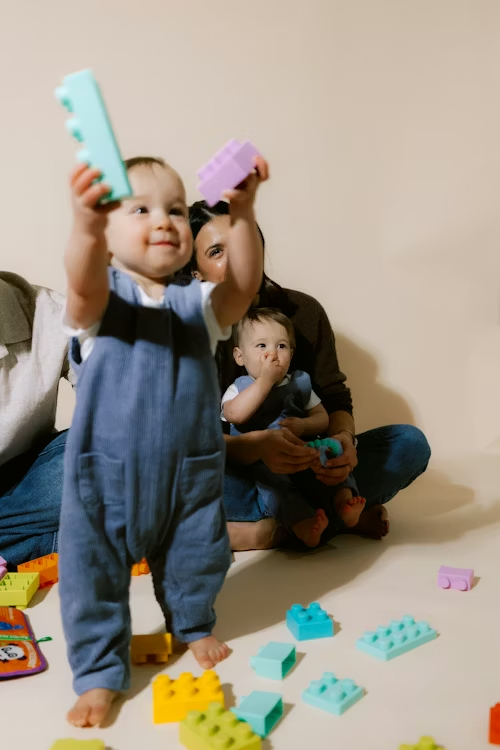
The setup of a learning space influences how children engage with materials, each other and educators.
Open-Ended Learning Areas
Learning spaces are arranged to encourage exploration. Areas for blocks, art, books, water play and nature-based activities are kept open-ended so children can use them in flexible, creative ways. There is no one right outcome—just opportunities to try and learn.
Natural and Sensory Materials
Using real-world, natural items like leaves, stones, shells or clay supports sensory learning. These items change with touch, weight and texture, prompting children to ask questions like “What happens if I drop this?” or “How can I use this differently?”
Role of Educators in Fostering Curiosity
Educators are not just supervisors—they are guides who support thinking, invite exploration and celebrate discovery.
Asking Thoughtful Questions
Instead of giving answers, educators often respond with open questions like “What do you think will happen next?” or “How could we find out?” These prompts encourage children to think more deeply and take charge of their own learning.
Listening and Observing
Educators watch and listen carefully to children’s play and conversations. This allows them to identify emerging interests and expand on them through new materials, experiences or questions.
The Power of Play in Building Lifelong Learners
Play is the foundation of early education. It’s how children process ideas, test concepts and build relationships.
Imaginative Play Builds Thinking Skills
Role play and storytelling help children understand the world. They create scenarios, solve problems and test social rules in a way that makes sense to them. These experiences build confidence, language and empathy.
Constructive Play Encourages Innovation
Using materials to build, design or create supports spatial awareness and experimentation. Children learn through trial and error, discovering what works and what doesn’t.
Structured Learning That Encourages Curiosity
While play is essential, structured activities also help guide learning in areas like literacy, science and maths.
Introducing New Ideas Through Hands-On Tasks
Educators introduce guided activities based on children’s interests. For example, a group fascinated by insects may be invited to create bug habitats, draw life cycles or sort insects by features. These tasks introduce vocabulary and scientific thinking while keeping curiosity at the centre.
Encouraging Reflection
After structured activities, children are encouraged to reflect on what they did or learned. This helps them connect experiences, make sense of new ideas and plan for what they might like to try next.
Curiosity Across All Learning Areas
A well-rounded program supports curiosity in all areas—not just science or art.
Language and Literacy
Storytelling, singing and shared reading invite children to ask questions, predict endings and discuss characters. Educators pause to ask what might happen next or why a character feels a certain way, supporting deeper comprehension.
Numeracy
Simple tasks like counting, sorting, measuring or estimating are all part of curiosity-led numeracy. Educators pose problems such as “How many blocks do we need to build this bridge?” rather than presenting fixed worksheets.
Building Relationships That Support Confidence
Children are more curious when they feel safe. Strong bonds with educators help children feel comfortable enough to take risks, try new things and ask for help.
Creating Secure Attachments
Educators offer warmth, consistency and responsiveness. When children feel their ideas are valued, they are more likely to engage with confidence and enthusiasm.
Supporting Peer Learning
Group work and shared play offer opportunities for children to learn from one another. Observing a friend solve a problem or hearing different perspectives encourages new ways of thinking.
Involving Families in the Learning Process
Family engagement strengthens curiosity and reinforces learning beyond the centre.
Sharing Children’s Interests
Educators communicate with families about what their child is curious about. Parents can continue the conversation at home—visiting a park, reading related books or asking questions that align with current interests.
Encouraging Exploration Outside the Classroom
Families can support curiosity by allowing children time for outdoor play, collecting natural objects, and discussing the world around them. Simple walks, kitchen activities or visits to the library help connect home life to early learning.
Lifelong Impact of Curiosity-Led Learning
Children who are encouraged to question, experiment and reflect are more likely to develop positive attitudes towards learning throughout their lives.
Developing Independent Thinkers
By giving children space to think and investigate, early learning centres help build problem solvers. These children are not just memorising answers—they are learning how to think critically and creatively.
Building Resilience and Motivation
Curiosity leads to trial and error. Children learn that it’s okay not to know something and that mistakes are part of learning. This mindset supports resilience and encourages continued effort, even when tasks are challenging.
Frequently Asked Questions
How can I tell if a centre encourages curiosity in children?
Look for environments where children are actively engaged in different tasks, where educators ask open-ended questions and where learning is based on children’s interests. You can also ask how educators extend learning based on what children are curious about.
Does curiosity really help with future learning?
Yes. Curiosity leads to deeper understanding, better memory retention and more engagement with new concepts. It lays the foundation for critical thinking and motivation in school and beyond.
Can structured learning and curiosity go together?
Absolutely. Structured learning can be curiosity-led when it starts with children’s interests and includes hands-on exploration, questioning and opportunities for reflection. The goal is to support—not replace—natural inquiry.
Conclusion
Understanding how early childhood centres foster curiosity and lifelong learning begins with recognising the role of environments, relationships and responsive teaching. Curiosity is not something to manage or control—it is something to nurture.
Centres such as Glenhaven Early Learning Centre do this by providing time, space and thoughtful guidance that allows children to learn through their questions, not just their answers. When early education is shaped around wonder, investigation and discovery, children gain more than knowledge—they develop a love of learning that stays with them for life.
