
 admin
adminWhen faced with the loss of a loved one, one of the most delicate and emotional decisions is how to plan a funeral that is both respectful and meaningful. Funeral planning can be an overwhelming task, and the complexity intensifies when incorporating religious customs and traditions.
However, religious funeral planning provides a structured framework that ensures the ceremony honours the life of the deceased in accordance with their faith.
Religious funerals are a way for families to connect spiritually and emotionally during an incredibly difficult time. Whether you are organising a Catholic funeral, a Jewish service, or a Buddhist ceremony, each tradition offers rituals that reflect the beliefs and customs that have shaped the person’s life.
It is essential to understand the religious customs associated with the funeral to ensure the process is conducted appropriately, reflecting the values that meant the most to the deceased and their family. This guide aims to walk you through the intricate process of religious funeral planning with the respect, care, and reverence required.
Religious funeral planning includes several key components that require careful thought and consideration. From the first steps in making funeral arrangements to the memorial service itself, understanding these elements can help you navigate the emotional and practical aspects of organising a funeral.
Additionally, many religious customs guide everything from the body preparation to the specific prayers or scriptures recited during the ceremony. Incorporating these customs not only provides closure but also allows the family to honour the deceased in a way that feels true to their beliefs and practices.
As you begin planning the funeral, there are various aspects to consider, including finding a funeral director who is knowledgeable about religious customs, preparing for the wake or vigil, and ensuring the proper religious leaders or clergy are involved.
The following sections will delve deeper into these essential aspects of religious funeral planning and guide how to approach this emotional journey with grace and sensitivity.
Understanding the Importance of Religious Traditions in Funerals
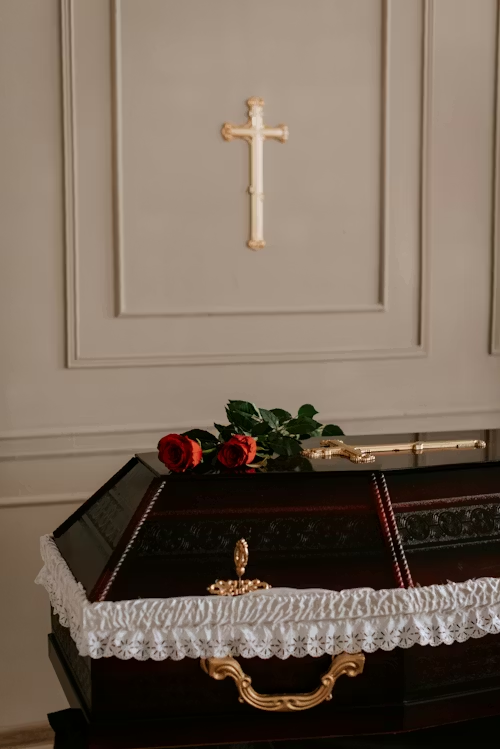
The Role of Religious Customs in Funeral Planning
Religious customs play a pivotal role in funeral planning, offering both structure and comfort during a time of loss. Different religions have distinct rituals and practices that help guide the grieving process, providing comfort to the bereaved.
Whether it’s a Catholic mass, a Hindu cremation ritual, or an Islamic prayer service, each tradition helps family and friends reflect on the deceased’s life while honouring their faith. Understanding these practices is essential, as they serve as an anchor during a tumultuous emotional time, bringing together loved ones for a sacred and respectful service.
Key Components of Religious Funeral Services
Each religious funeral service has its own set of rituals that must be followed closely to ensure proper observance. For instance, in Christianity, the funeral service may include hymns, prayers, and a eulogy, while in Judaism, the focus may be on the recitation of Kaddish and other specific prayers.
Many religions also incorporate elements such as the reading of sacred texts, incense offerings, or the lighting of candles. Understanding these customs ensures that the funeral service aligns with the family’s expectations while adhering to their religious principles.
The Role of Clergy in Religious Funeral Planning
One of the most essential aspects of religious funeral planning is the involvement of religious leaders or clergy members. These individuals are responsible for guiding the funeral service in accordance with religious teachings and ensuring the proceedings are conducted with dignity.
Whether it’s a priest, rabbi, imam, or other religious figure, they provide comfort to the family through their presence and spiritual support. It’s crucial to communicate with clergy early on to ensure they understand your expectations and that they are available to conduct the service at the specified time.
Incorporating Cultural and Religious Diversity
Religious funeral planning may also include integrating the family’s cultural heritage, which often intersects with faith practices. Many cultures have unique funeral traditions that complement religious rituals.
For instance, in Chinese Buddhist traditions, there may be offerings of food and incense at the altar, while in Islamic funerals, there may be a special prayer service known as Salat al-Janazah. Recognising and honouring both the cultural and religious elements ensures that the funeral reflects the full scope of the deceased’s identity and values, making it a truly meaningful and personal event.
Practical Steps in Religious Funeral Planning
Choosing a Funeral Director with Religious Sensitivity
One of the first decisions to make when planning a religious funeral is selecting the right funeral director. It’s important to find a funeral home that is experienced in handling religious ceremonies and is sensitive to specific traditions and practices.
They should be able to guide you through the process, help you secure clergy for the service, and arrange transportation and other logistical needs. Working with a funeral director who understands the significance of religious rituals can make the planning process much smoother and ensure that everything runs according to tradition.
Preparing the Body According to Religious Customs
Each religion has its own method of body preparation, ranging from washing and dressing the body to special prayers or rituals before the burial or cremation. For example, in Judaism, the body is washed and dressed in simple white linen by a group of individuals known as the Chevra Kadisha.
Similarly, in Islam, the body is also washed and shrouded in a white cloth before burial. Understanding these religious customs ensures that the deceased is honoured in a way that is consistent with their faith, allowing family members to feel confident in the process.
Organising the Wake or Vigil
Many religious funeral traditions include a wake or vigil, where friends and family gather to remember the deceased, offer prayers, and support one another in their grief. This is particularly common in Christian, Catholic, and Orthodox Christian traditions, where the vigil allows time for personal reflection and prayer before the funeral service.
The wake is an opportunity to connect with others and provide comfort before the funeral, helping to ease the transition into the more formal aspects of the service. Understanding how to structure the wake, including the reading of scriptures or other memorial activities, can provide a more profound experience for the bereaved.
Selecting Appropriate Funeral Readings and Prayers
One of the most sacred aspects of any religious funeral is the selection of readings, prayers, and hymns. These readings often come from sacred texts such as the Bible, the Quran, or the Torah, and they serve to honour the deceased’s faith while providing comfort to the grieving. Depending on the religion, the readings may focus on themes of life, death, and resurrection or salvation.
For instance, in Christian funerals, the family might select passages from the Psalms or the New Testament, while in Buddhist funerals, a selection of sutras might be read. This careful selection of readings helps create a sacred and reflective atmosphere, allowing family and friends to connect spiritually.
Addressing Grief and Supporting the Family During Religious Funeral Planning
Providing Emotional and Spiritual Support
The grief that comes with losing a loved one can be overwhelming, and it’s important to provide emotional and spiritual support throughout the funeral planning process. Religious leaders, such as priests, rabbis, or imams, can provide spiritual comfort, while family and friends offer emotional support.
It’s important to recognise that grieving is a personal journey, and the emotional needs of the family should be considered throughout the funeral process. Offering a listening ear or encouraging family members to share their memories and feelings can provide a great deal of comfort.
Ensuring a Respectful Environment for the Service
One of the key components of religious funeral planning is creating an environment that reflects the solemnity and reverence of the occasion. Whether it’s a large church, synagogue, or smaller family gathering, the setting should be conducive to prayer and reflection.
Arranging seating, decorations, and symbols of faith, such as crosses, menorahs, or prayer rugs, can help create an atmosphere that aligns with the religious traditions. Ensuring that the space is serene and peaceful will allow the family and attendees to focus on the service and the memories of the departed.
Incorporating Personal Elements into the Ceremony
In addition to the traditional religious elements, many families choose to incorporate personal touches into the funeral service. These may include a photo slideshow, personal stories, or special music that was meaningful to the deceased.
These elements help to personalise the service, celebrating the unique life of the individual while respecting their religious beliefs. By blending religious traditions with personal memories, the family can create a service that is both spiritually meaningful and emotionally fulfilling.
Frequently Asked Questions About Religious Funeral Planning
What should I do first when planning a religious funeral?
The first step is to choose a funeral director who understands your religious and cultural preferences. They will help guide you through the logistical and emotional aspects of the process, ensuring the service respects the deceased’s faith.
How can I ensure the funeral reflects the deceased’s religious beliefs?
To ensure the funeral reflects the deceased’s beliefs, it’s crucial to work closely with religious leaders who can guide the service. Additionally, carefully select readings, prayers, and rituals that are meaningful to the family and aligned with the religion.
Can religious funeral planning be personalised?
Yes, religious funerals can be personalised while respecting the customs of the faith. This can include incorporating personal stories, music, or photos, as long as the overall structure remains faithful to the religious traditions.
Conclusion
Religious funeral planning is a deeply personal journey that requires careful thought, respect, and understanding. By honouring the deceased’s faith and traditions, you not only provide a meaningful farewell but also offer solace to those left behind.
Whether you’re planning a funeral according to the customs of Christianity, Judaism, Islam, or any other religion, understanding the key components and respecting the traditions will ensure that the service is both respectful and healing.
