
 admin
adminWisdom teeth are the final set of molars that usually emerge between the ages of 17 and 25. While some people experience no problems when their wisdom teeth appear, others face a range of complications that may lead to removal. These third molars can be unpredictable, and deciding whether they need to be taken out depends on various factors such as positioning, growth, and potential impact on other teeth.
Understanding the right time for removal is essential for preventing pain, infection, or misalignment. If you’re looking for expert advice, dentistry in elwood offers thorough assessments and treatment options tailored to your situation. This guide explains when wisdom teeth should be removed and what to expect throughout the process.
What Are Wisdom Teeth?
Late Molars with a Reputation
Wisdom teeth, also known as third molars, are the last adult teeth to come in. Most people have four — two on top and two on the bottom. Because they emerge after the rest of the adult teeth have already settled, they often cause issues with crowding or alignment.
Some individuals never develop wisdom teeth, while others may have more than four. Their late appearance and unpredictable growth can lead to discomfort, infection, or damage to neighbouring teeth.
Why Do Wisdom Teeth Cause Problems?
Lack of Space in the Jaw
The modern human jaw is often too small to accommodate extra molars comfortably. When there isn’t enough room for wisdom teeth to erupt properly, they may become trapped under the gum or grow at an angle. This condition is known as impaction.
Impacted wisdom teeth can press against nearby teeth, cause swelling, or become infected. These teeth may not always cause pain initially but can lead to complications over time.
Difficulty Cleaning
Even when wisdom teeth erupt normally, they are located far back in the mouth, making them difficult to clean. Food particles and bacteria can build up easily, leading to decay or gum inflammation. Regular brushing and flossing often don’t reach these areas effectively.
Signs That Wisdom Teeth May Need Removal
Persistent Pain or Discomfort
Ongoing pain at the back of your jaw or mouth is one of the most common signs that wisdom teeth could be problematic. This discomfort may come and go or become constant over time. Pain often results from pressure, inflammation, or infection near the emerging tooth.
Swollen or Bleeding Gums
Swelling or bleeding in the area behind your last molars may indicate that wisdom teeth are struggling to break through. Gum tissue may become red, tender, or difficult to clean. This can lead to an infection called pericoronitis, which occurs when the gum flap over a partially erupted tooth traps bacteria.
Headaches or Jaw Stiffness
Pressure from impacted wisdom teeth can spread to nearby areas, resulting in headaches or stiffness in the jaw. These symptoms may worsen while chewing or speaking. Left untreated, the pressure can contribute to alignment issues or strain on the jaw joint.
Wisdom Teeth Removal: When Is the Right Time?
Early Removal for Prevention
Many dentists recommend removing wisdom teeth before symptoms develop. Early removal — usually between the ages of 17 and 20 — helps prevent crowding, infection, and root complications. At this age, the roots are not fully developed, making the procedure simpler and recovery faster.
Delayed Removal with Monitoring
If wisdom teeth have room to grow and are not causing any symptoms, they may be left in place. Dentists monitor their development with X-rays and check for signs of movement or decay. However, removal may still be advised later if changes occur.
What Happens During a Wisdom Teeth Assessment?
Clinical Examination
The dentist begins by inspecting the gums and checking for signs of swelling, tenderness, or inflammation. They also ask about symptoms like pain, bad breath, or difficulty chewing. These can indicate issues below the surface.
Dental X-Rays
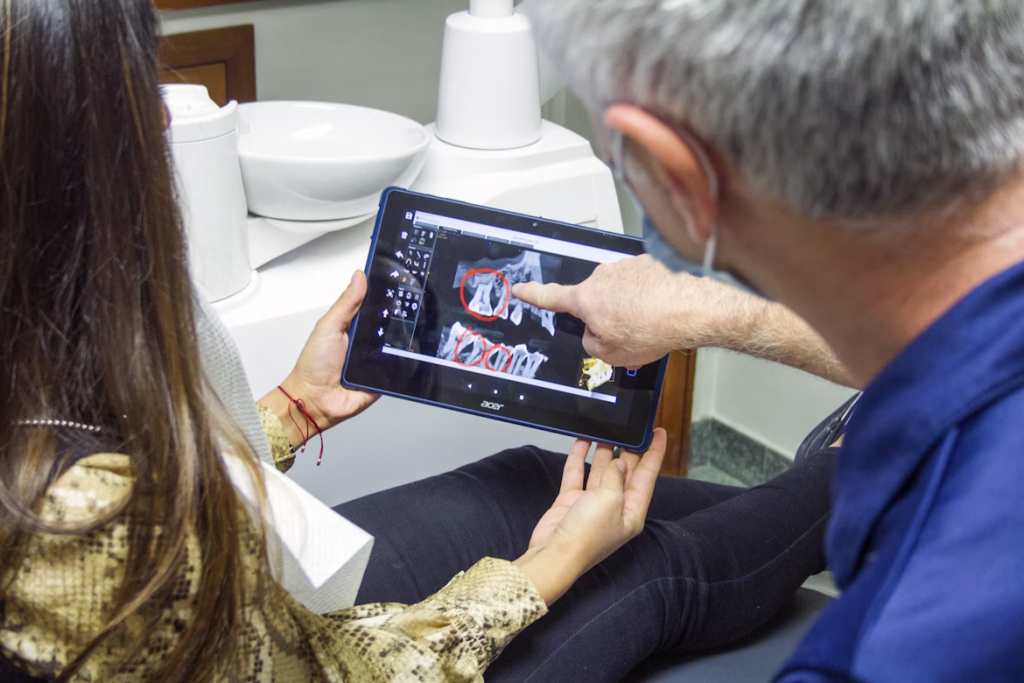
X-rays provide a clearer picture of how the wisdom teeth are positioned. The dentist looks for signs of impaction, root development, and their proximity to other teeth or nerves. Based on these findings, they determine whether removal is necessary.
The Wisdom Teeth Removal Procedure
Anaesthetic Options
Wisdom teeth removal is usually done under local anaesthetic. For more complex extractions or multiple teeth, sedation or general anaesthetic may be offered. The choice depends on the patient’s comfort level and the difficulty of the case.
Surgical and Non-Surgical Extractions
If the tooth has erupted, the dentist may use forceps to remove it with minimal cutting. Impacted teeth often require a surgical approach. A small incision is made in the gum, and bone around the tooth may be removed before extraction.
Stitches may be placed to assist with healing. These are usually dissolvable and fall out within a week.
Recovery After Wisdom Teeth Removal
Common Side Effects
Mild swelling, bleeding, and soreness are normal in the first few days after removal. Pain is usually manageable with over-the-counter medication. Applying a cold pack and eating soft foods helps reduce discomfort.
Some patients may experience difficulty opening their mouth fully, known as trismus. This usually resolves within a few days.
Preventing Complications
It’s important to follow the dentist’s post-operative instructions. Avoid smoking, using straws, or vigorous rinsing for several days. These actions can dislodge the blood clot, leading to a painful condition called dry socket.
Maintaining oral hygiene is still necessary, but care should be taken around the healing area. Rinsing with salt water may help keep the site clean.
Long-Term Benefits of Removal
Avoiding Alignment Issues
Removing wisdom teeth before they cause pressure helps prevent crowding. This is especially helpful for people who have had orthodontic work. Retainers may not prevent movement caused by erupting wisdom teeth.
Lower Risk of Infections
Impacted wisdom teeth are prone to infection due to their location and difficulty in cleaning. Removing them reduces the risk of recurring gum problems and abscesses.
Improved Comfort
Many people report better comfort after problematic wisdom teeth are removed. Chronic pain, inflammation, and biting issues are often resolved, improving overall dental health.
When Removal Isn’t Necessary
Fully Erupted and Healthy Teeth
If wisdom teeth have erupted fully, are easy to clean, and don’t affect nearby teeth, they may be left in place. Regular monitoring ensures they stay healthy over time.
Stable Position and No Symptoms
Teeth that remain stable and symptom-free can often be observed without immediate action. Dentists will still check for slow changes that may require intervention later.
Frequently Asked Questions
Does everyone need to have their wisdom teeth removed?
No, some people have enough space and healthy wisdom teeth that don’t need removal.
Can wisdom teeth grow back after removal?
No, once removed, wisdom teeth do not grow back.
How long is recovery after wisdom tooth removal?
Most people recover within one to two weeks, depending on the number of teeth removed.
Conclusion
Wisdom Teeth: When Should They Be Removed? depends on a range of factors including symptoms, jaw space, and potential future complications. Early assessments can identify whether removal is needed and reduce the risk of problems like infection, crowding, or jaw pain.
Whether your wisdom teeth are already causing discomfort or you simply want peace of mind, regular dental visits help monitor their development. Clinics offering dentistry in elwood can provide clear advice based on thorough examinations and X-rays.
Not all wisdom teeth need to be removed, but knowing the warning signs and understanding the process puts you in the best position to make the right decision for your oral health. With timely care, you can avoid unnecessary pain and maintain a well-aligned, comfortable bite.
