
 admin
adminIn the world of logistics, freight management can be a daunting and complex task. As businesses scale and customer expectations evolve, the ability to handle freight efficiently becomes crucial. For many businesses, managing freight complexity is a significant challenge that can result in delays, increased costs, and inefficiencies.
However, by leveraging the right strategies and tools, it’s possible to turn this complexity into streamlined performance, ensuring smooth and cost-effective operations. Partnering with a freight broker can be an excellent starting point to simplify and optimise freight operations.
In this article, we will examine how businesses can turn freight complexity into a streamlined process and the tools that can help achieve this transformation.
The Complexity of Freight Management
Freight management involves much more than simply moving goods from point A to point B. A host of factors influence the efficiency and cost of freight operations, including route planning, carrier selection, customs regulations, inventory management, and last-mile delivery.
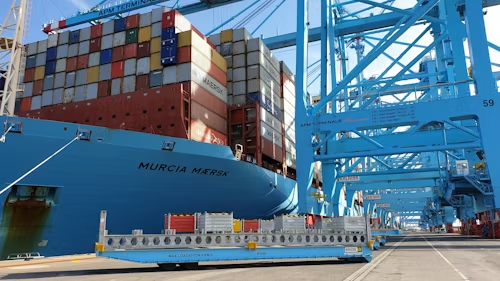
When these elements are not effectively coordinated, they can create delays, increase operational costs, and cause customer dissatisfaction.
Common Challenges in Freight Management
Freight complexity often arises from the number of variables that need to be managed simultaneously. Businesses face difficulties in optimising delivery routes, managing different transportation modes, adhering to customs and regulatory requirements, and coordinating between various stakeholders, including suppliers, carriers, and customers.
Another key challenge is handling the last mile, which is the final step in the delivery process. This stage is often the most expensive and time-consuming part of the logistics chain, particularly for e-commerce businesses. Delivery delays or inefficiencies during this phase can have a significant impact on customer satisfaction.
Why Streamlining Freight Performance is Essential
Streamlining freight operations helps businesses minimise inefficiencies and reduce costs, leading to improved performance and customer satisfaction. By implementing the right systems and processes, businesses can simplify freight management, enhance communication between stakeholders, and optimise resource allocation.
The Impact of Streamlining Freight on Customer Satisfaction
Customers today demand fast, reliable deliveries. When freight processes are disorganised or inefficient, it leads to delays, damaged goods, or missed delivery windows, all of which can harm customer satisfaction. A streamlined freight process ensures that goods arrive on time and in perfect condition, increasing customer trust and encouraging repeat business.
Key Strategies to Turn Freight Complexity into Streamlined Performance
Turning freight complexity into streamlined performance requires a combination of strategy, technology, and collaboration. By integrating these elements, businesses can optimise their freight management processes and improve efficiency across the supply chain.
Leverage Technology for Seamless Freight Management
Technology is one of the most effective tools businesses can use to streamline their freight operations. By implementing freight management systems (FMS), businesses can automate key tasks, reduce manual errors, and gain real-time visibility into their logistics network.
These systems integrate various aspects of freight management, such as order processing, carrier selection, and shipment tracking, into a single platform.
Freight Management Systems for Efficiency
An FMS helps streamline freight operations by automating manual processes and providing a centralised platform for managing shipments. It enables businesses to easily track the status of shipments, manage inventory, and optimise delivery routes.
FMS tools also offer advanced reporting and analytics capabilities, which help businesses monitor performance, identify inefficiencies, and make data-driven decisions that improve overall operations.
By using an FMS, businesses can improve their ability to track shipments in real-time, monitor carrier performance, and adjust delivery schedules quickly. This allows for better control over the supply chain and reduces the risk of delays or lost shipments.
Optimise Routing and Carrier Selection
Optimising delivery routes is one of the most effective ways to reduce freight costs and improve performance. By using data-driven tools, businesses can calculate the most efficient routes, taking into account factors like traffic, road conditions, and delivery windows. Route optimisation not only saves time but also reduces fuel consumption, helping to lower operational costs.
Carrier selection is another critical aspect of freight performance. Choosing the right carriers based on delivery requirements, cost-effectiveness, and service reliability is key to ensuring timely and reliable deliveries. Partnering with a freight broker can simplify this process, as brokers have extensive knowledge of the carrier landscape and can recommend the best options for your needs.
By leveraging technology to optimise routes and carrier selection, businesses can streamline freight operations and improve overall supply chain efficiency.
Automate the Last Mile Delivery Process
The last mile is often the most challenging and costly part of the logistics process. It involves delivering goods to the final customer, which can be affected by factors such as traffic, customer availability, and delivery preferences. Automating the last mile delivery process helps businesses improve efficiency, reduce costs, and enhance customer satisfaction.
There are several ways businesses can automate last-mile delivery, such as implementing smart route planning software, using electric vehicles, or adopting delivery robots and drones. By utilising these technologies, businesses can optimise delivery routes, reduce delivery times, and ensure that customers receive their orders on time.
For businesses involved in e-commerce or retail, adopting automated last mile solutions is critical for maintaining competitive advantage. Offering flexible delivery options and providing customers with real-time tracking data can enhance the overall customer experience and increase brand loyalty.
The Role of Data Analytics in Streamlining Freight
Data analytics plays a crucial role in optimising freight performance. By gathering and analysing data from various stages of the supply chain, businesses can identify inefficiencies, predict disruptions, and make informed decisions that improve overall logistics operations.
Use Predictive Analytics for Better Decision-Making
Predictive analytics allows businesses to anticipate potential disruptions in the supply chain and make adjustments in advance. For example, by analysing historical data, predictive tools can forecast delays due to weather, road conditions, or carrier performance. This allows logistics teams to take proactive measures to mitigate these disruptions and ensure timely deliveries.
Predictive analytics can also be used to optimise inventory management and demand forecasting. By analysing trends in customer orders, businesses can predict demand fluctuations and adjust their inventory levels accordingly. This ensures that businesses have the right amount of stock on hand to meet customer needs, reducing the risk of stockouts or overstocking.
Improve Performance Monitoring with Data Insights
Data-driven insights are invaluable for monitoring freight performance. By tracking key performance indicators (KPIs) such as on-time delivery rates, fuel consumption, and carrier reliability, businesses can identify areas for improvement and take corrective action. This helps businesses optimise their operations and make informed decisions that improve efficiency.
A unified platform that provides real-time data on freight performance allows businesses to monitor the entire logistics process and make adjustments quickly. By using data analytics to continuously improve freight operations, businesses can streamline their processes and reduce inefficiencies over time.
Collaborating with a Freight Broker for Seamless Logistics
Working with a freight broker is an effective way to simplify and optimise freight operations. Freight brokers act as intermediaries between businesses and carriers, helping businesses select the right carriers, negotiate shipping rates, and streamline the overall freight process.
With extensive industry knowledge and access to a network of reliable carriers, brokers can help businesses make informed decisions and ensure that shipments are delivered on time and at the best possible cost.
The Benefits of Partnering with a Freight Broker
A freight broker can offer several benefits, including:
- Carrier selection: Brokers have access to a wide range of carriers and can help businesses choose the best option based on cost, delivery timelines, and service quality.
- Rate negotiation: Brokers can leverage their relationships with carriers to negotiate better rates, helping businesses save money on transportation costs.
- Shipment tracking: Freight brokers often offer tracking services, allowing businesses to monitor the status of shipments in real-time and ensure timely deliveries.
- Expertise and support: Brokers provide valuable expertise and support, helping businesses navigate complex logistics challenges and optimise freight operations.
By partnering with a freight broker, businesses can streamline their freight management processes, reduce costs, and ensure reliable deliveries, especially for complex logistics operations.
Future Trends in Freight and Logistics Technology
As technology continues to evolve, businesses must stay ahead of the latest trends to maintain competitive advantage. In the coming years, several key trends are expected to shape the future of freight and logistics.
Automation and Artificial Intelligence
Automation and AI are poised to revolutionise freight operations. From autonomous trucks to AI-driven route optimisation, these technologies will further streamline freight management, reduce human error, and improve efficiency. By automating repetitive tasks and using AI to predict disruptions, businesses can optimise their freight processes and enhance overall performance.
Sustainable Freight Solutions
With growing concern about environmental sustainability, businesses are increasingly looking for ways to reduce the carbon footprint of their freight operations. This includes adopting electric vehicles, optimising delivery routes to reduce fuel consumption, and exploring alternative shipping methods such as drones and robots.
By incorporating sustainable practices into their freight strategies, businesses can not only reduce costs but also improve their environmental impact.
Frequently Asked Questions
How can technology help streamline freight operations?
Technology helps streamline freight operations by automating tasks, optimising routes, and providing real-time visibility into the status of shipments. With tools like freight management systems, predictive analytics, and real-time tracking, businesses can improve efficiency, reduce costs, and enhance customer satisfaction.
What is the role of a freight broker in freight management?
A freight broker acts as an intermediary between businesses and carriers, helping to select the best carriers, negotiate rates, and manage shipments. Brokers provide valuable expertise and help streamline the logistics process, ensuring that goods are delivered on time and at the best possible cost.
How does last mile delivery affect freight performance?
Last mile delivery is a critical component of freight performance, as it represents the final leg of the journey to the customer. Optimising last-mile delivery through technology such as route planning software and automated solutions can reduce delivery times, lower costs, and improve customer satisfaction.
Conclusion
Turning freight complexity into streamlined performance is essential for businesses looking to optimise their logistics operations. By leveraging technology, data analytics, and expert partnerships like those with a freight broker, businesses can simplify freight management, improve efficiency, and reduce costs.
With the right tools and strategies in place, businesses can create a seamless and efficient freight system that meets the growing demands of customers and positions them for success in the competitive logistics industry.
