
 admin
adminEvery vehicle eventually reaches the end of its useful life, whether due to age, damage, or rising maintenance costs. For many owners, this moment raises an important question: what actually happens to a car once it is no longer drivable?
While some vehicles are sold for parts or abandoned, a growing number are being processed through structured recycling systems that aim to reduce waste and recover valuable materials.
Metal car recycling plays a critical role in this transformation, turning old, unwanted vehicles into reusable resources rather than environmental burdens.
Instead of letting cars deteriorate in landfills or scrapyards, this process ensures that metals such as steel, aluminium, and copper are extracted and repurposed for future manufacturing. It is an approach that aligns with both economic efficiency and environmental responsibility.
Understanding how this process works—and how it differs from other types of vehicle disposal or reuse—is essential for anyone considering what to do with an old car. Beyond simply removing a vehicle from the road, recycling represents a shift in how society views waste, sustainability, and the lifecycle of everyday machines.
This article explores the mechanics of metal car recycling, compares it with other automotive end-of-life options, and explains why it has become a cornerstone of modern environmental practices.
What Is Metal Car Recycling?
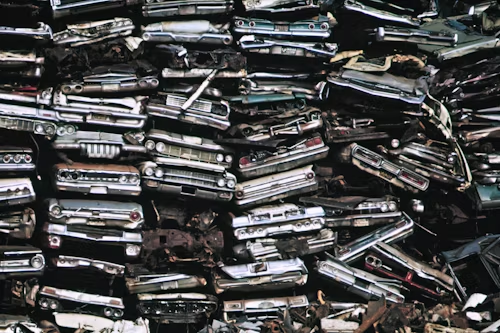
Metal car recycling is the systematic dismantling and processing of end-of-life vehicles to recover reusable metals and materials. Unlike basic disposal methods, this process is highly organised and involves multiple stages designed to maximise resource recovery while minimising environmental impact.
The Core Process Behind Vehicle Recycling
The process begins with the collection of the vehicle, often through a salvage yard or recycling facility. Once received, hazardous fluids such as engine oil, coolant, brake fluid, and fuel are carefully drained. This step is essential to prevent contamination and ensure compliance with environmental regulations.
After depollution, usable parts such as engines, transmissions, and electronic components may be removed and resold. These parts extend the life of other vehicles and reduce the need for new manufacturing.
The remaining structure, largely composed of metal, is then crushed and shredded. Advanced machinery separates ferrous metals (like steel) from non-ferrous metals (such as aluminium and copper). These materials are cleaned, sorted, and sent to manufacturing plants where they are melted down and reused.
Materials Commonly Recovered
Cars are made up of a wide range of materials, but metals dominate the composition. Steel accounts for the majority, making it one of the most valuable recovered materials. Aluminium is also significant, especially in modern vehicles designed for lighter weight and fuel efficiency. Copper, found in wiring and electrical systems, is another highly sought-after material.
Other components, such as plastics and glass, may also be recycled depending on facility capabilities, but the primary focus remains on metal recovery due to its high recyclability and economic value.
Environmental Significance
Recycling metal from cars significantly reduces the need for mining raw materials. Mining processes are energy-intensive and can cause extensive environmental damage, including habitat destruction and water pollution. By reusing existing metals, the industry conserves natural resources and reduces greenhouse gas emissions associated with production.
How Metal Car Recycling Differs from Other Car Disposal Methods
Not all end-of-life vehicles are handled in the same way. While metal recycling is one option, others include resale, parting out, or simple disposal. Each approach has distinct characteristics and implications.
Selling a Used Car Versus Recycling
When a car is still operational, it is often sold to another owner. This extends the vehicle’s life and delays the need for recycling. However, once the car becomes unreliable or unsafe, resale is no longer practical.
Recycling differs in that it focuses not on continued use but on material recovery. The vehicle is no longer treated as a functional unit but as a collection of resources.
Dismantling for Spare Parts
Some vehicles are dismantled primarily for parts rather than full recycling. In this case, components are removed and sold individually. While this overlaps with recycling, the emphasis is on reuse rather than material extraction.
Metal car recycling includes this step but goes further by processing the remaining structure. It ensures that even unusable parts are not wasted but converted into raw materials.
Abandonment or Landfill Disposal
In the past, some vehicles were simply abandoned or sent to a landfill. This approach poses significant environmental risks, including soil and water contamination from leaking fluids and degrading materials.
Recycling eliminates these risks by properly handling hazardous substances and ensuring that materials are reused rather than left to deteriorate.
Exporting Old Vehicles
Another alternative is exporting used cars to other countries. While this extends the vehicle’s lifespan, it often shifts environmental and regulatory challenges elsewhere. Eventually, these vehicles will still require disposal, sometimes in regions with less stringent recycling systems.
The Economic Value of Metal Car Recycling
Beyond environmental benefits, metal car recycling contributes significantly to the economy. It creates jobs, supports manufacturing industries, and reduces production costs.
Cost Efficiency in Manufacturing
Recycled metals are often cheaper to process than raw materials. For example, producing steel from recycled scrap requires less energy than producing it from iron ore. This cost advantage benefits manufacturers and can lead to more affordable products.
Job Creation and Industry Growth
The recycling industry employs a wide range of workers, from collection and transportation to processing and manufacturing. Facilities require skilled operators, technicians, and administrative staff, contributing to local economies.
Market Demand for Scrap Metal
Scrap metal is a valuable commodity with fluctuating market prices. The demand for recycled materials remains strong, particularly in construction and automotive manufacturing. This demand ensures that recycling operations remain financially viable.
Environmental Benefits Beyond Waste Reduction
Metal car recycling offers broader environmental advantages that extend beyond simply reducing waste.
Energy Conservation
Recycling metals consumes significantly less energy than extracting and refining raw materials. For instance, recycling aluminium can save up to 95% of the energy required for primary production. This reduction in energy use directly lowers carbon emissions.
Reduction of Landfill Use
Vehicles are large and complex, making them unsuitable for landfill disposal. Recycling prevents these bulky items from occupying valuable landfill space and reduces long-term environmental risks.
Lower Carbon Footprint
By reusing materials, recycling reduces the need for energy-intensive manufacturing processes. This contributes to lower greenhouse gas emissions and supports efforts to combat climate change.
Protection of Natural Resources
Mining for metals can lead to deforestation, soil erosion, and water pollution. Recycling reduces the demand for new mining activities, helping to preserve ecosystems and biodiversity.
The Role of Technology in Modern Car Recycling
Advancements in technology have transformed metal car recycling into a highly efficient and precise process.
Automated Shredding Systems
Modern shredders can process entire vehicles quickly, breaking them down into smaller fragments. These systems are designed to handle large volumes while maintaining safety and efficiency.
Advanced Sorting Techniques
Technologies such as magnetic separation, eddy current systems, and optical sorting allow for accurate separation of different metals. This ensures high-quality recycled materials that meet industry standards.
Data Tracking and Compliance
Recycling facilities often use digital systems to track vehicles, ensuring compliance with environmental regulations. This transparency helps maintain accountability and supports sustainable practices.
Challenges Facing the Recycling Industry
Despite its benefits, metal car recycling faces several challenges that impact its efficiency and growth.
Increasing Complexity of Vehicles
Modern cars include more electronics, plastics, and composite materials. These components can be difficult to separate and recycle, requiring advanced technology and additional processing steps.
Fluctuating Metal Prices
The value of scrap metal can vary significantly, affecting the profitability of recycling operations. Facilities must adapt to market conditions to remain viable.
Regulatory Requirements
Strict environmental regulations ensure safe recycling practices but can also increase operational costs. Compliance requires investment in equipment, training, and monitoring systems.
Frequently Asked Questions
What happens to a car after it is recycled?
After recycling, the vehicle is dismantled, and its materials are separated. Metals are melted down and reused in manufacturing, while usable parts may be resold. Hazardous materials are safely disposed of to prevent environmental harm.
Is metal car recycling environmentally friendly?
Yes, it is one of the most environmentally responsible ways to handle end-of-life vehicles. It reduces waste, conserves resources, and lowers emissions compared to producing new materials from raw resources.
Can all parts of a car be recycled?
Not all parts are recyclable, but a significant portion—especially metals—can be recovered and reused. Advances in technology continue to increase the range of recyclable components.
Conclusion
Metal car recycling represents a comprehensive and sustainable approach to managing end-of-life vehicles. By focusing on material recovery rather than disposal, it transforms old cars into valuable resources that support manufacturing and reduce environmental impact. Compared to other methods such as resale, parting out, or landfill disposal, recycling offers a more complete and responsible solution.
As vehicles become more complex and environmental concerns grow, the importance of recycling will continue to increase. Through innovation, regulation, and industry commitment, metal car recycling is set to remain a vital part of the automotive lifecycle, ensuring that even at the end of the road, a car still has value.
