
 admin
adminManaging garden refuse has evolved far beyond simply bagging leaves and placing them at the kerb. As urban landscapes expand and households generate increasing volumes of organic debris, councils and private services are refining how this material is collected, processed, and returned to the environment.
The green waste lifecycle now plays a crucial role in sustainability strategies, supporting soil health, reducing landfill pressure, and lowering greenhouse gas emissions.
Green waste pickup has become a central mechanism in this transformation, linking households to broader environmental systems. What once seemed like a routine service is now a carefully designed process involving sorting, transportation, and conversion into reusable resources such as compost and mulch.
Understanding how this system operates helps residents participate more effectively and avoid contamination that can disrupt the cycle.
Beyond convenience, the process reflects a shift in thinking about waste itself. Organic material is no longer seen as disposable but as a valuable input in regenerative systems. By examining each stage—from kerbside collection to final reuse—it becomes clear how small household actions contribute to large-scale ecological outcomes.
The Structure Behind Green Waste Collection Systems
How Local Councils Organise Services
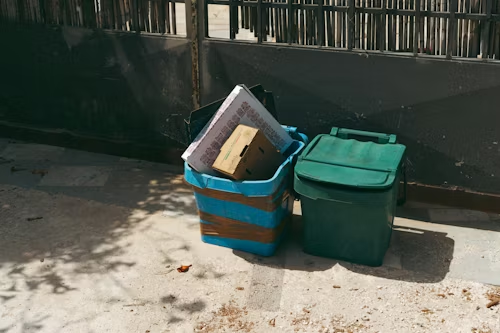
Local councils across Australia design their green waste programs based on population density, climate, and available processing facilities. Collection schedules are typically fortnightly or monthly, aligning with seasonal growth patterns. During peak gardening periods such as spring, some councils increase service frequency to accommodate higher volumes.
These systems rely on standardised bins or designated bundles, ensuring consistency in how waste is presented. This uniformity allows collection crews to operate efficiently and reduces the risk of improper disposal. Each council also defines what qualifies as acceptable green waste, which generally includes grass clippings, leaves, small branches, and garden trimmings.
The Role of Private Waste Contractors
While councils set guidelines, private contractors often handle the operational side of collection. These companies invest in specialised vehicles designed to handle organic material without compacting it excessively, preserving its quality for later processing.
Contractors also play a role in educating the public. Through labelling, community campaigns, and feedback mechanisms, they help residents understand how to sort waste correctly. This partnership between councils and contractors ensures that the system remains both efficient and adaptable.
Seasonal Variations and Demand Management
Green waste volumes fluctuate significantly throughout the year. Autumn leaf fall and spring growth spurts create spikes in demand, requiring flexible logistics. Councils may introduce temporary drop-off points or additional pick-up days during these periods.
Managing these fluctuations is essential to prevent overflow and ensure timely processing. It also highlights the importance of planning at both household and municipal levels to maintain system balance.
Sorting and Preparation: The Foundation of Effective Processing
Household Responsibility in Waste Separation
The success of any green waste system begins at the household level. Proper separation ensures that organic material remains uncontaminated by plastics, metals, or general rubbish. Even small amounts of contamination can render entire batches unsuitable for composting.
Residents are encouraged to familiarise themselves with local guidelines and avoid placing treated timber, soil, or food scraps in green waste bins unless explicitly permitted. Clear labelling on bins helps reinforce these rules, but awareness remains the most effective tool.
Common Contaminants and Their Impact
Plastic bags are among the most frequent contaminants found in green waste collections. Although convenient for transport, they do not break down during composting and must be removed manually, increasing processing costs.
Other problematic items include synthetic fibres, glass, and chemically treated wood. These materials can introduce toxins or disrupt the decomposition process, reducing the quality of the final product. Maintaining clean input streams is therefore critical for producing safe, usable compost.
Pre-Collection Preparation Techniques
Simple preparation steps can improve collection efficiency. Cutting branches into manageable lengths, bundling loose material, and avoiding overfilled bins help collection crews operate safely and quickly. These practices also reduce the likelihood of spillage during transport.
Preparation is not merely about convenience; it directly influences the integrity of the entire system. Well-prepared waste moves smoothly through each stage, from collection to processing.
Transportation and Logistics: Moving Organic Material Efficiently
Specialised Collection Vehicles
Green waste is transported using vehicles designed to handle organic matter without excessive compression. Unlike general waste trucks, these vehicles often feature open or semi-enclosed compartments that allow airflow, preventing premature decomposition during transit.
This design minimises odour and maintains the structural integrity of the material, which is important for later processing stages such as shredding and composting.
Route Optimisation and Environmental Considerations
Efficient routing reduces fuel consumption and emissions associated with collection services. Many councils use advanced software to plan collection routes, ensuring that vehicles travel the shortest possible distances while covering all service areas.
This optimisation not only lowers operational costs but also aligns with broader environmental goals. Reducing the carbon footprint of waste collection is an essential component of sustainable urban management.
Transfer Stations and Interim Storage
Before reaching processing facilities, collected green waste may pass through transfer stations. These sites act as consolidation points where material from multiple collection routes is combined and prepared for transport to larger facilities.
Transfer stations also allow for preliminary inspection and removal of visible contaminants. This step ensures that only suitable material proceeds to the next stage, improving overall processing efficiency.
Processing Green Waste into Usable Resources
Mechanical Shredding and Size Reduction
Once delivered to processing facilities, green waste undergoes shredding to reduce its size and increase surface area. This step accelerates decomposition by making it easier for microorganisms to break down the material.
Shredded material is more uniform, which helps maintain consistent conditions during composting. It also facilitates easier handling and mixing with other organic inputs if required.
Composting Methods and Timeframes
Composting is the most common method of processing green waste. Facilities may use windrow systems, where material is arranged in long rows and turned regularly, or in-vessel systems that provide controlled environments for faster decomposition.
The composting process typically takes several weeks to months, depending on the method used and environmental conditions. During this time, microorganisms break down organic matter into nutrient-rich compost.
Quality Control and Final Product Use
Before compost is distributed, it undergoes testing to ensure it meets safety and quality standards. This includes checking for contaminants, nutrient levels, and maturity.
The final product is used in agriculture, landscaping, and soil rehabilitation projects. By returning nutrients to the soil, compost closes the loop in the green waste cycle, transforming what was once discarded into a valuable resource.
Environmental and Economic Benefits of Green Waste Systems
Reducing Landfill Dependency
Diverting green waste from landfill significantly reduces the volume of waste requiring disposal. Organic material in landfill decomposes anaerobically, producing methane, a potent greenhouse gas. By composting green waste instead, emissions are minimised.
This diversion also extends the lifespan of existing landfill sites, reducing the need for new ones and preserving land resources.
Supporting Soil Health and Biodiversity
Compost derived from green waste enriches soil by improving its structure, water retention, and nutrient content. Healthy soil supports plant growth and fosters biodiversity, contributing to more resilient ecosystems.
This benefit extends beyond individual gardens to agricultural systems, where compost can reduce reliance on synthetic fertilisers.
Economic Efficiency and Job Creation
Green waste programs create employment opportunities in collection, processing, and distribution. They also generate economic value by producing marketable products such as mulch and compost.
Investing in these systems can lead to long-term savings for councils by reducing landfill costs and creating revenue streams from recycled materials.
Frequently Asked Questions
What items are typically accepted in green waste collections?
Most services accept grass clippings, leaves, small branches, and garden prunings. However, treated timber, soil, and non-organic materials are usually excluded. It is important to check local guidelines for specific requirements.
How can residents avoid contaminating their green waste bins?
Avoid using plastic bags and ensure only approved organic materials are placed in the bin. Keeping a separate container for green waste in the garden can help maintain proper sorting.
What happens if green waste is contaminated?
Contaminated loads may be rejected at processing facilities or require additional sorting, increasing costs and potentially leading to landfill disposal. This undermines the environmental benefits of the system.
Conclusion
The green waste pickup process represents more than a routine municipal service; it is a carefully coordinated system that transforms organic material into valuable environmental resources. Each stage, from household preparation to final compost application, contributes to a cycle that supports sustainability and reduces ecological impact.
By understanding and participating correctly in this process, individuals play a direct role in enhancing its effectiveness. The collective effort of communities ensures that green waste is not wasted at all, but reintegrated into the natural systems that sustain both urban and rural landscapes.
