
 admin
adminWhen insects, rodents, or other unwanted pests enter a property, most people immediately begin searching for professional help. During that search, two terms often appear again and again: pest control and extermination. Many homeowners assume these words mean the same thing, while others believe they are completely different services. The truth is more detailed and more useful to understand.
If you are trying to protect your home, business, rental property, or commercial facility, knowing the difference can help you choose the right solution. Some pest problems need fast elimination. Others need long-term prevention and monitoring. In many cases, the best service includes elements of both approaches.
Modern pest companies often use updated methods that go beyond simply removing pests on one visit. They may inspect entry points, identify causes, improve sanitation risks, recommend structural fixes, and create prevention plans. This is why the language of the industry has evolved.
This guide explains the difference between pest control and extermination, how each approach works, when one may be more suitable than the other, and how to choose the right Pest Extermination Services for your needs.
What Is the Difference Between Pest Control and Extermination
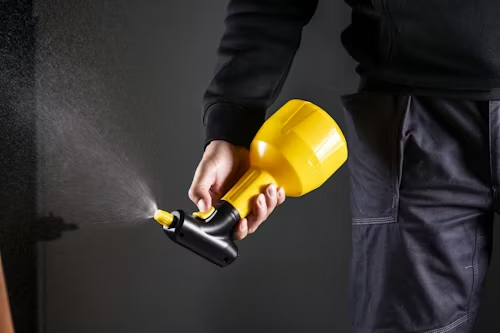
The simplest difference is this: extermination usually focuses on eliminating an active pest problem quickly, while pest control focuses on managing, preventing, and reducing pest activity over time.
Extermination is often associated with direct treatment methods designed to kill pests that are already present. Pest control is broader. It includes inspection, treatment, prevention, monitoring, habitat reduction, exclusion work, and follow-up planning.
In everyday conversation, many people still use both terms interchangeably. However, in modern professional practice, pest control often represents a more complete long-term strategy.
Why the Terms Cause Confusion
These two phrases have been used for many years in advertising and common speech. Older generations often heard the word exterminator whenever pests were involved. It became the familiar public term for anyone who removed insects or rodents.
As the industry advanced, many companies shifted toward the phrase pest control or pest management. This reflected a move toward safer practices, targeted treatment, environmental awareness, and prevention rather than only killing pests on sight.
Because both terms are still common, customers often see them used side by side.
What Extermination Usually Means
Extermination traditionally refers to the direct elimination of pests. The goal is to reduce or wipe out an existing infestation as quickly and effectively as possible.
This may involve sprays, baits, traps, dusts, fumigation, or other treatment tools, depending on the pest. Extermination is commonly requested when people need urgent relief from visible pest activity.
For example, a serious cockroach outbreak in a kitchen or a rodent issue in a pantry may lead a homeowner to request extermination services immediately.
What Pest Control Usually Means
Pest control is broader and more preventive in nature. It includes removing current pests but also reducing the chance they will return.
A pest control plan may involve inspections, sanitation advice, sealing access points, moisture management, routine monitoring, scheduled visits, and targeted treatment only when necessary.
This approach often works well for homeowners who want lasting peace of mind rather than a one-time emergency response only.
Fast Removal vs Long-Term Management
One helpful way to understand the difference is speed versus sustainability.
Extermination Focus
Extermination often emphasises immediate results. Customers want the visible pests gone quickly and may prioritise rapid action.
Pest Control Focus
Pest control often emphasises lasting results. It asks why pests arrived, how they entered, and what changes reduce future infestations.
Many successful services combine both priorities.
Common Pests That Need Extermination
Some pest problems create urgency and may require direct elimination.
Cockroaches
Heavy roach infestations often need quick intervention due to hygiene concerns.
Rodents
Mice and rats can contaminate food, damage wiring, and spread stress quickly.
Wasps
Nests near doors or play areas often require prompt removal.
Bed Bugs
These pests can spread rapidly and disrupt sleep.
In these cases, extermination-style action may be necessary first.
Common Situations That Need Pest Control
Some properties benefit more from ongoing management than emergency elimination.
Homes With Seasonal Ant Problems
Routine preventive treatment may reduce annual outbreaks.
Restaurants and Food Businesses
Regular monitoring and compliance-focused service are often essential.
Apartment Buildings
Shared walls and multiple units can make recurring pest pressure more likely.
Older Homes With Entry Gaps
Scheduled maintenance may help reduce ongoing access.
These situations often favour pest control plans.
Why Modern Companies Prefer Pest Control Language
Many companies use the term pest control because it sounds more complete and professional. It reflects modern methods that combine science, strategy, and prevention.
It also recognises that not every pest issue should be solved through broad chemical use alone. Sometimes the best solution is sanitation, exclusion, moisture repair, trapping, or monitoring.
The industry increasingly values smarter management rather than only aggressive elimination.
Is Extermination Still a Valid Service Term
Yes. Extermination is still widely understood and commonly used by customers.
Many companies still advertise extermination because people recognise the word immediately. It communicates that the company solves pest problems directly.
However, behind the scenes, even extermination services often use modern pest management methods.
How Treatment Methods May Differ
Extermination Methods
Direct sprays, knockdown products, trap deployment, nest removal, fumigation, and immediate-response tactics are common.
Pest Control Methods
Monitoring devices, bait systems, sanitation plans, exclusion repairs, perimeter treatment, targeted applications, and recurring visits are common.
The methods may overlap, but the overall mindset differs.
Why Prevention Saves Money
Waiting until pests become severe often costs more.
A one-time extermination for a large infestation may be more expensive than routine prevention that stops the issue early. Damage, contamination, repeat visits, and stress also increase hidden costs.
Preventive pest control can be one of the most cost-effective household services over time.
Pest Control and Extermination for Homes
Residential customers often need both.
A home with active roaches may need immediate elimination first. After that, sealing cracks, improving kitchen sanitation, and periodic monitoring help prevent recurrence.
This combined approach gives stronger long-term value.
Pest Control and Extermination for Businesses
Businesses usually need dependable ongoing systems.
Restaurants, cafés, hotels, offices, and warehouses cannot wait for infestations to grow. They often use scheduled pest control programs while still requesting emergency extermination if a sudden issue appears.
For commercial properties, prevention protects reputation and operations.
Termites and the Difference in Approach
Termites show the distinction clearly.
An extermination mindset may focus on killing visible termites quickly. A pest control mindset asks where the colony is, how termites entered, what moisture supports them, and how to protect the structure long term.
Because termites threaten buildings, long-term management is especially important.
Rodents and the Difference in Approach
With mice or rats, killing visible rodents alone may not solve the problem.
If food sources remain available and entry holes stay open, new rodents may return. Pest control, therefore, includes proofing, sanitation, trap strategy, and monitoring in addition to removal.
This is why recurring rodent issues need more than quick elimination.
Which Service Is Better for You
The answer depends on the situation.
Choose Immediate Elimination When
There is urgent visible pest activity.
Health or safety is affected.
Guests or customers are being impacted.
The infestation is spreading quickly.
Choose Ongoing Pest Control When
Problems keep returning.
You want prevention.
The property is high-risk.
You manage a business or rental property.
Often, the best answer is both.
What to Expect From a Good Provider
Whether they use the word extermination or pest control, strong companies usually provide:
Thorough inspection
Clear explanation of pest type
Honest expectations
Safe treatment practices
Advice for prevention
Reasonable follow-up options
Professionalism matters more than the label alone.
Warning Signs of Poor Service
Be cautious if a provider:
Promises permanent results instantly
Refuses to inspect first
Cannot explain treatment steps
Pushes unnecessary fear
Uses vague pricing
Avoids discussing safety
Strong professionals diagnose before treating.
Eco-Friendly Changes in the Industry
Modern services increasingly use lower-impact strategies.
These may include baiting, targeted crack-and-crevice treatment, exclusion work, monitoring stations, and reduced blanket spraying.
This evolution is another reason pest control language has become more common than extermination.
How Often Pest Control Should Be Done
There is no single schedule for everyone.
Some homes need one annual preventive visit. Others with heavy surrounding vegetation or recurring issues may choose quarterly service.
Businesses often need more frequent programs.
The right schedule depends on pest pressure and risk level.
Cost Differences Between the Two
One-time extermination may appear cheaper initially if the problem seems small.
However, recurring pest issues can make repeated emergency visits expensive. Ongoing pest control plans may provide better value if they reduce repeated outbreaks.
Value depends on results over time, not just one invoice.
Questions to Ask Before Hiring
Before choosing a company, ask:
Do you provide one-time extermination and ongoing plans?
What pests do you specialise in?
How many visits are included?
What prevention advice do you give?
Are follow-up services available?
How soon should results appear?
These questions help compare real service quality.
Why Language Matters Less Than Strategy
Some excellent companies still use the word exterminator. Some poor companies use modern terms but have weak service.
Customers should focus on knowledge, honesty, results, and safety rather than branding alone.
The right strategy matters more than the chosen label.
Frequently Asked Questions
Is pest control the same as extermination?
They overlap, but pest control is broader and more preventive, while extermination often focuses on eliminating active pests.
Which is better for homes?
Many homes benefit from both immediate treatment and long-term prevention.
Do exterminators still exist?
Yes, the term is still widely used, though many companies prefer pest control or pest management.
Conclusion
If you are asking what the difference is between pest control and extermination, the key idea is that extermination usually emphasises removing an active infestation quickly, while pest control focuses on managing pests now and preventing future return.
Both services can be valuable. A severe outbreak may need fast elimination, while long-term property protection usually benefits from ongoing pest control planning.
The smartest choice is not based on wording alone. It is choosing a provider that understands the pest problem, solves it effectively, and helps keep your home or business protected well into the future.
